5 Things That Can Damage Your Car’s Paint During a Scottish Winter
Scottish winters can be particularly tough on your car. Between freezing temperatures, wet roads, road salt, grit and the inevitable increase in dirt, your vehicle’s paintwork will face considerably more punishment through the colder months.
At Spotless Detailing Group, we regularly see vehicles where winter driving and incorrect maintenance have taken their toll on the paintwork.
Here are five of the biggest causes of paint damage to look out for this winter, and what you can do to protect your car.
1. Road Salt
Road salt is essential for keeping Scotland’s roads safe during freezing conditions, but it isn't particularly friendly to your car.
As you drive, salty road spray is thrown onto the paintwork, wheels, lower doors, sills and other areas of the vehicle. If it sits on the surface for long periods of time, it can contribute to contamination and corrosion, particularly where paintwork has already been compromised by stone chips or other damage.
Regular, safe washing throughout winter is one of the simplest ways to prevent a heavy build-up.
A good quality ceramic coating can also make a significant difference over winter by creating a highly hydrophobic, chemically resistant surface that's much easier to keep clean.
2. Grit & Stone Chips
Winter usually means more grit on Scottish roads and more debris being thrown towards your car.
The front bumper, bonnet, front wings, headlights and mirrors are particularly vulnerable to stone chips. Unfortunately, no ceramic coating can prevent physical damage caused by a stone hitting your paintwork. This is where Paint Protection Film (PPF) comes in.
PPF creates a physical, virtually invisible layer over the paintwork, designed to take the impact before the paint underneath does.
For customers who don't want to protect the entire vehicle, covering high-impact areas such as the front end can provide protection where it's needed most.
3. Leaving Road Grime on the Car
We understand why cars sometimes go longer between washes during winter. It's cold, it's dark by the time you finish work, and there's every chance your freshly washed car will be dirty again within a few miles!
However, allowing weeks (or even months) of road grime, salt and contamination to build up isn't ideal for your paintwork.
The important thing isn't necessarily washing your car constantly; it's washing it correctly when you do.
Good protection also makes this considerably easier. Ceramic coated vehicles are much less susceptible to dirt bonding strongly to the surface, making regular maintenance washes quicker and safer.
4. Poor Washing Techniques
Ironically, trying to keep your car clean can sometimes cause more paint damage than leaving it dirty.
Automatic car washes, drive through car washes, dirty wash mitts, brushes and incorrect washing techniques can introduce swirls, scratches and marring into your paintwork.
When a car is particularly dirty during winter, there's even more potential to cause damage by physically dragging grit and contamination across the surface.
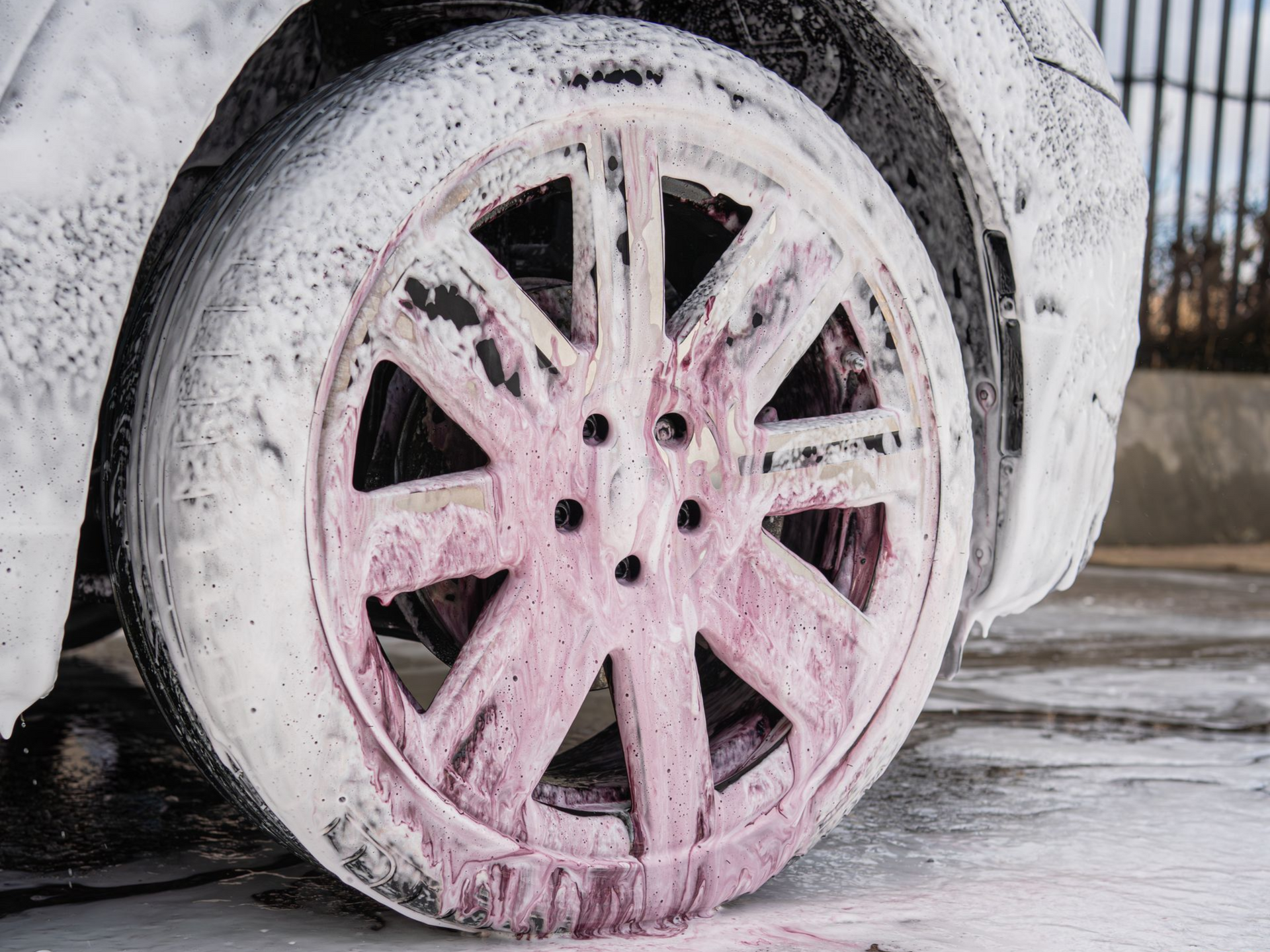
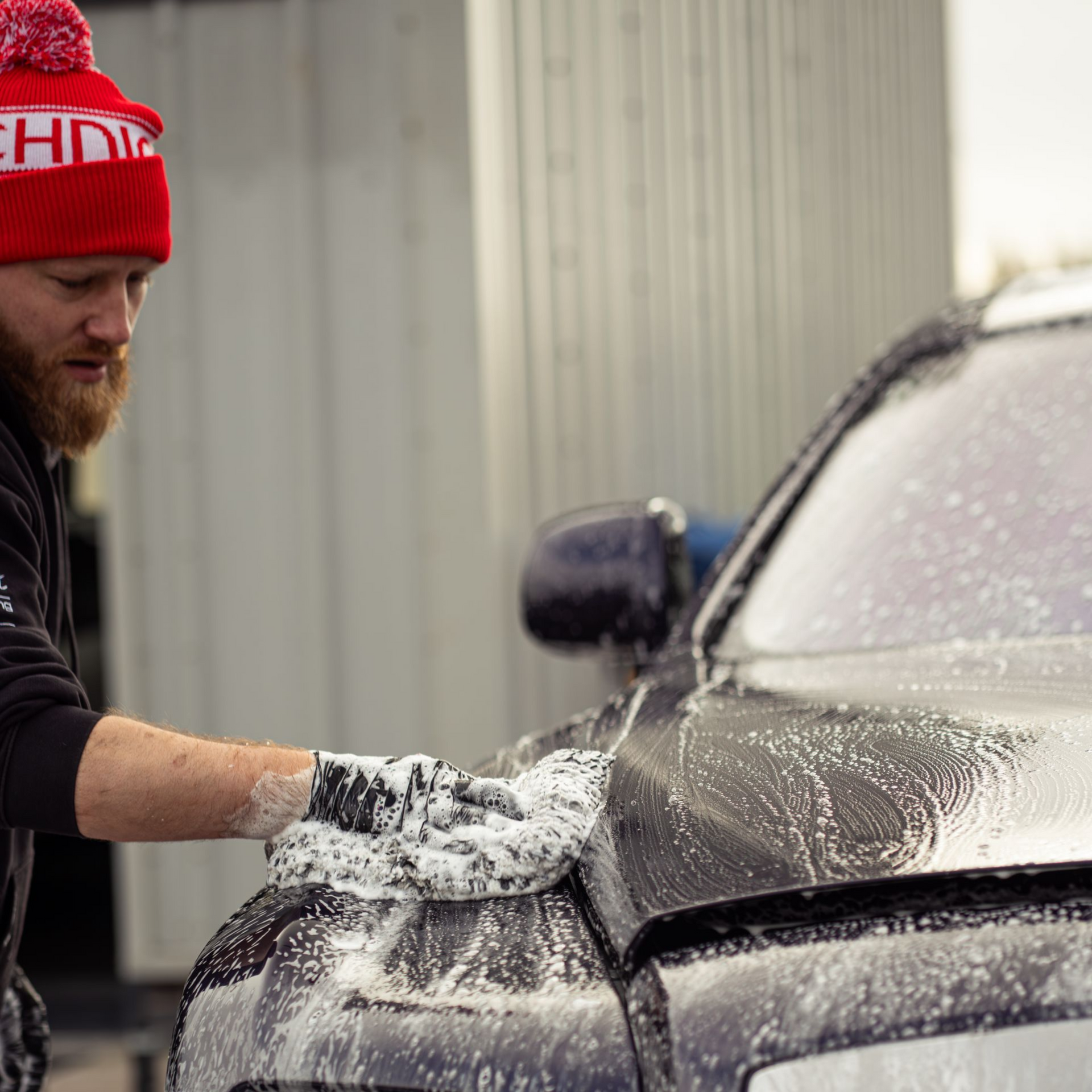
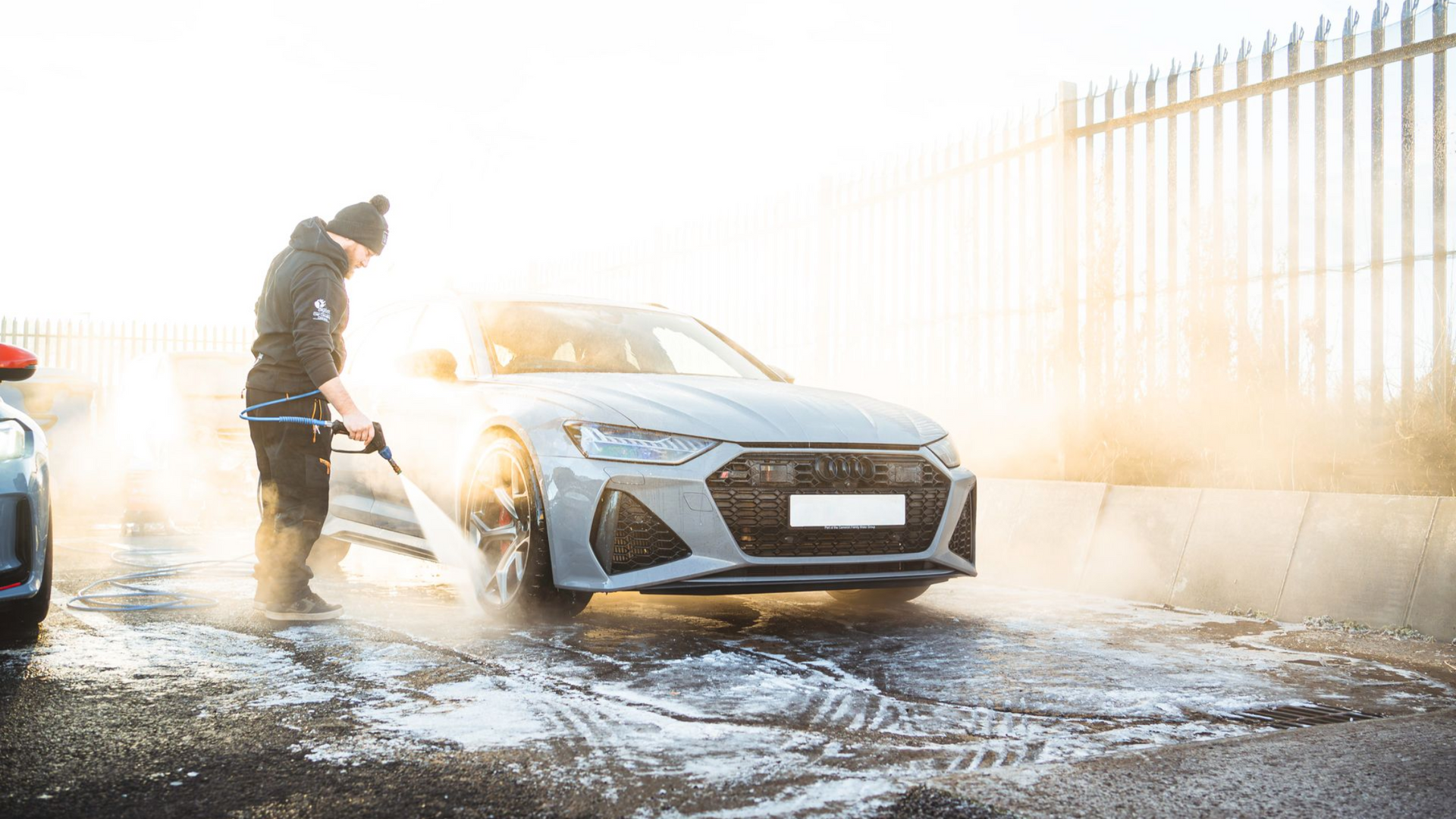
We recommend removing as much dirt as possible during the pre-wash stage before physically contacting the paintwork.
Using the correct products, a clean wash mitt, plenty of lubrication and a quality drying towel can make a huge difference to the condition of your paintwork over time.
5. Bird Droppings & Environmental Contamination
Winter doesn't mean contaminants disappear.
Bird droppings, tree sap, iron fallout and other environmental contamination can still find their way onto your paintwork. Bird droppings in particular shouldn't be left on the surface for any length of time, as they can potentially etch into the clear coat.
The safest approach is to remove contamination as soon as reasonably possible rather than allowing it to sit on the vehicle for weeks.
Again, having a professionally applied ceramic coating provides an additional sacrificial layer and makes many contaminants easier to remove safely.
How Can You Protect Your Car This Winter?
There's no single solution that's right for every vehicle.
For owners primarily concerned about stone chips and physical damage, Paint Protection Film offers the highest level of protection.
For those wanting easier maintenance, excellent gloss and protection against environmental contamination, a ceramic coating can be an excellent option.
And for customers wanting the benefits of both, PPF can be applied to the most vulnerable areas, or the entire vehicle, before ceramic protection is added where appropriate.
The most important thing is choosing protection based on how you actually use your car.
Get Your Car Ready for Winter with Spotless Detailing Group
With studios in Perth, Aberdeen and Elgin, the Spotless Detailing Group team can inspect your vehicle and recommend a protection package suited to your car, how you use it and what you're looking to achieve.
Our team are Gtechniq Accredited Detailers, and our PPF installers are XPEL factory trained, allowing us to offer professional ceramic coating and Paint Protection Film solutions.
Whether you've just taken delivery of a new car or want to improve and protect your current vehicle before the worst of the Scottish weather arrives, get in touch with the Spotless Detailing Group team to discuss your options.